When most people think of woodworking, they imagine a hammer, a saw, and maybe a little sawdust in the air. But for those of us who spend hours shaping wood, there is a hidden layer behind every handcrafted piece. It is engineering, physics, and a careful understanding of materials. The truth is that woodworking is much more than art. Precision is the name of the game, and the difference between a good piece and a masterpiece often comes down to how much thought goes into each detail.
I spend hours in my workshop measuring, testing, and adjusting each piece of wood, and it reminds me a lot of my engineering background. Whether I am crafting a cutting board, a custom shelf, or a decorative wooden tray, the principles I learned in classrooms and labs years ago are at the heart of everything I do. If you are a DIY enthusiast or a STEM fan, understanding the reason behind every cut and joint can make a huge difference in your own projects.
Why Precision Matters
Precision in woodworking is not just about aesthetics. Every millimeter, every angle, and every joint matters for strength, stability, and functionality. Imagine building a chair where one leg is slightly off. It might stand for a day or even a week, but eventually, gravity wins. The same principle applies to everything from cabinets to cutting boards. Understanding the physics of weight distribution and leverage can save you hours of frustration and prevent materials from warping or breaking over time.
I often joke that my measuring tape sees more action than my coffee maker. Measuring twice, sometimes three times, ensures the project comes out exactly as intended. This level of accuracy is what separates a homemade piece from one that looks like it belongs in a showroom. It also ensures that when pieces fit together, they align perfectly, giving both beauty and durability.
The Science of Wood
Wood is alive in a sense. It expands, contracts, and reacts to changes in humidity and temperature. The type of wood you choose affects not only the look of a piece but also how it behaves over time. Hardwoods like maple and oak are dense and strong, while softer woods like pine are easier to shape but more prone to dents and scratches. Understanding the characteristics of each wood species is crucial for engineering a piece that will last.
Grain orientation is another critical factor. Cutting with the grain ensures smooth cuts and prevents splintering, while working against the grain can make a project frustrating and imperfect. Woodworkers who ignore grain direction often end up sanding endlessly and still struggle to achieve a clean finish. By applying simple principles of physics, like the natural direction of fibers and the way materials bend under pressure, we can save time and ensure a much more professional outcome.
Tools Are Your Friends, But Science Guides Them
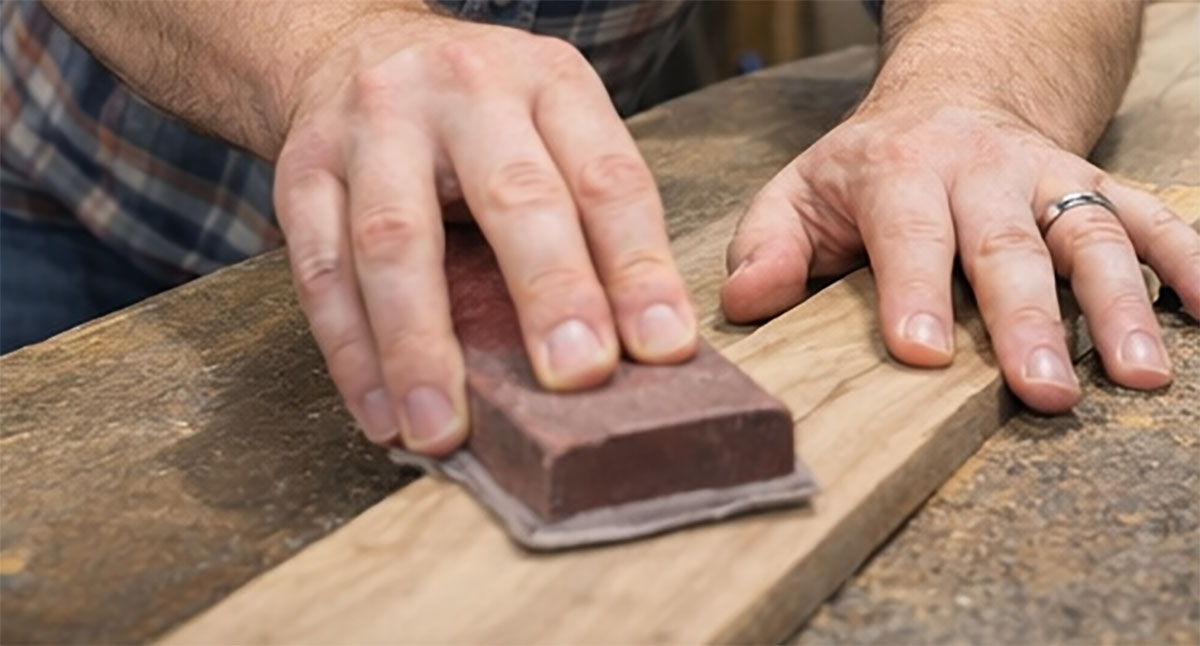
The tools in a workshop are important, but understanding the principles behind how and why they work elevates a project from ordinary to exceptional. For example, selecting the right saw angle or sanding grit is not arbitrary. It is based on the wood’s density, moisture content, and the precision required for the design. Even the placement of clamps and the pressure applied during gluing follow basic mechanical principles. This is where engineering and craftsmanship merge beautifully.
In my experience, approaching woodworking as both an art and a science keeps projects engaging. It is satisfying to see a carefully measured and engineered piece come together, knowing every joint, every cut, and every curve was calculated with intention. The process itself becomes part of the reward, not just the finished product.
Problem Solving in Woodworking
Every project comes with challenges, and engineering thinking helps turn them into solutions. Maybe a piece of wood warps unexpectedly, or a joint does not fit as planned. Instead of panicking, you can analyze the problem systematically. Identify what worked, what did not, and adjust the process. This methodical approach is what keeps workshops organized and projects consistent. It is the same mindset I used in teaching and engineering, and it translates perfectly to crafting wood with precision.
The Role of Measurement
If you think measurement is boring, think again. Measuring is the backbone of precise woodworking. Every angle, width, and length must be calculated before even touching a saw. While some might prefer the “eyeball it” method, I can assure you that precision tools make the difference between a project that wobbles and one that feels solid and intentional. Using calipers, squares, and templates ensures that even complex designs come together flawlessly.
The saying “measure twice, cut once” is not a cliché; it is a principle rooted in both engineering and woodworking. It reduces waste, saves time, and ultimately makes your work more professional. The satisfaction of seeing all components fit together seamlessly is unmatched.
Combining Creativity and Logic
Woodworking is often seen as purely creative, but the best pieces combine artistry with logic. Engineering principles like leverage, tension, and load distribution guide the design, while creativity brings it to life. Understanding the science behind what you do does not stifle imagination. In fact, it expands possibilities. By knowing what wood can handle and how to manipulate it safely, you can attempt designs that might otherwise seem impossible.
Conclusion
The engineering behind handcrafted wood is what transforms simple boards into beautiful, functional, and long-lasting pieces. It is a careful balance of measurement, material knowledge, physics, and creativity. Understanding how wood behaves, respecting grain patterns, and applying the principles of mechanics ensures each project is precise and professional. For DIY enthusiasts and STEM fans, recognizing the science behind every cut can make woodworking far more satisfying and approachable.
Precision, patience, and an understanding of the underlying principles are what separate a good piece from a great one. By thinking like an engineer while crafting like an artist, you can create work that stands the test of time and brings both pride and enjoyment to the maker. And while I might joke that I spend more time measuring than drinking coffee, the results are always worth it.